
看不见的客人
光泽县桃林村:昔日烂泥滩 今朝“嘉年华”_我的网站

A | AI摘要
光泽县寨里镇玲珑溪水上嘉年华开园,依托生态资源串联文旅业态,吸引大量游客。 Editor's Note:
In an era of profound global shifts and increasingly complex regional dynamics, a proper understanding of the world must be rooted in "grounded experience" and localized insights. Global Times English edition, in collaboration with the Academy of International and Regional Communication Studies, Communication University of China, is proud to launch "Local Insights," an English-language column dedicated to original, field-based observations.
We invite Chinese scholars and professionals who are studying, conducting exchanges, or working outside China, as well as international students and friends living and studying in China who are familiar with the social contexts of their home countries or third countries, to begin from first-hand field experience and engage with social, cultural, and contemporary issues beyond China. The fourth article in this column, through the author's on-site experience, unpacks Singapore's distinctive national identity via its deliberate independence, structured multicultural integration policies and forward-looking urban and digital development plans.
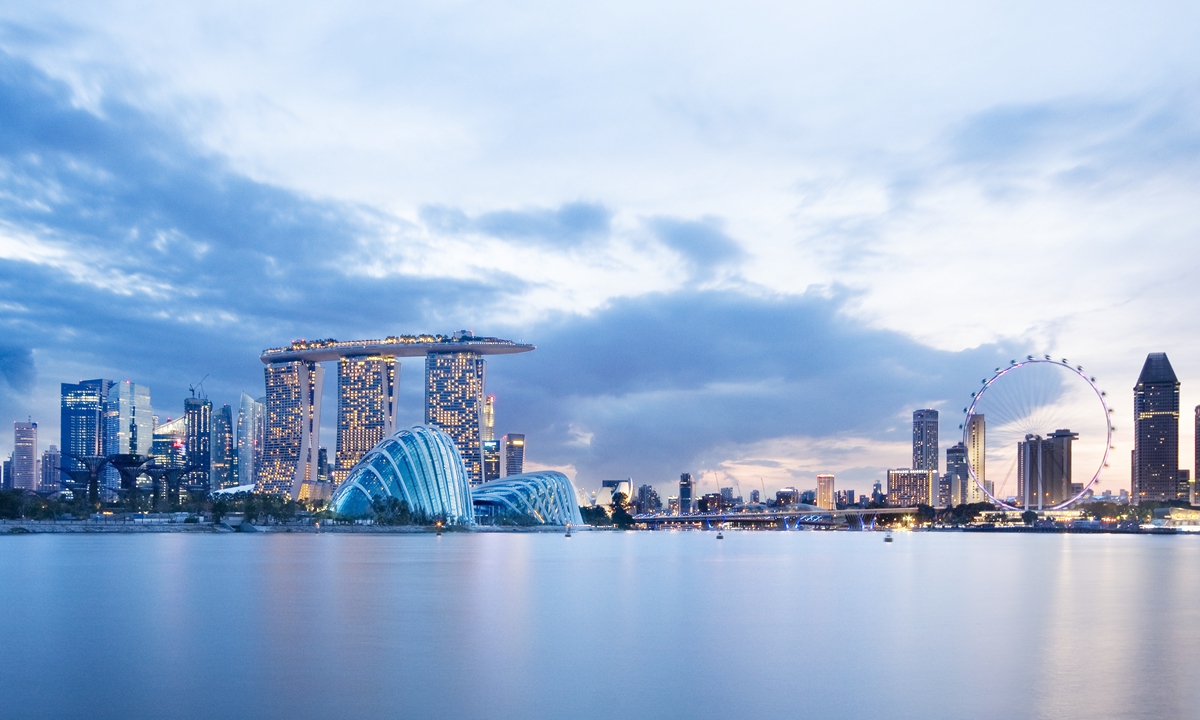
For many years, Singapore has been a favored destination for tourists and a highly sought-after place for education and employment. But when we talk about Singapore, what exactly do we mean? Is it the cityscape dominated by the Merlion and Marina Bay Sands? Is it a global standard for effective governance and economic success? Or is it a nation with a Chinese majority that is nonetheless founded on the principles of multiracial, multireligious, and multicultural nation-building?
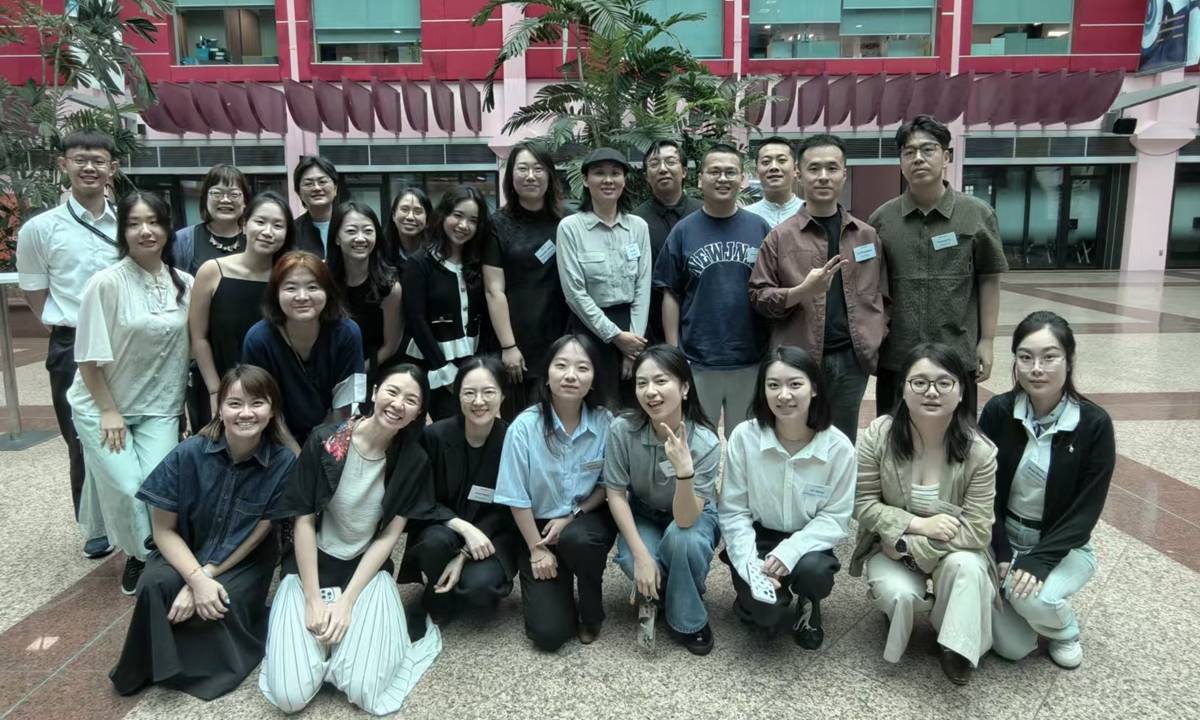
In late May, as part of a media delegation from China invited by Singapore's Ministry of Digital Development and Information (MDDI), I had the opportunity to explore the country in depth. Following a narrative journey through the past, the present, and the future, I discovered a Singapore far more complex than its well-known global image suggests.
The birth of a nation: A deliberate choice
To truly understand Singapore, one must first understand its origins. For a long time, the prevailing story portrayed Singapore's independence on August 9, 1965 as a sudden break - Lee Kuan Yew's emotional announcement of separation from Malaysia, often seen as a forced expulsion. However, materials displayed at the National Library Board and MDDI's The Albatross File exhibition provide a more intricate picture.
The exhibition, which makes confidential documents from founding leaders like Goh Keng Swee and oral histories from Lee Kuan Yew and Kwa Geok Choo available, reveals a strategic, negotiated process behind the separation. These documents suggest that both parties - Singapore and Malaysia - increasingly recognized that given the circumstances, long-term stability was unattainable. Independence then emerged as a deliberate political choice, the result of calculated negotiations and a growing belief that a new nation based on equality beyond ethnicity was the only viable path forward.
The significance of The Albatross File lies not only in the historical details it unveils but in the shift in narrative from "forced survival" to "chosen destiny." The exhibition itself is equally revealing. Historical documents, immersive installations, AI-enabled experiences, and digital interfaces allow visitors not just to observe history, but to question and participate in its interpretation.
Leaving the exhibition, I gained more than just a deeper understanding of Singapore's founding; I became aware of how Singapore actively constructs its own historical narrative. In this young nation, history is about both the past and the shaping of future generations' understanding of what "Singapore" means.
While the archive tells the story of Singapore's birth, the city itself shows how a society of diverse ethnicities, languages, religions, and immigrant backgrounds has been transformed into a shared national identity.
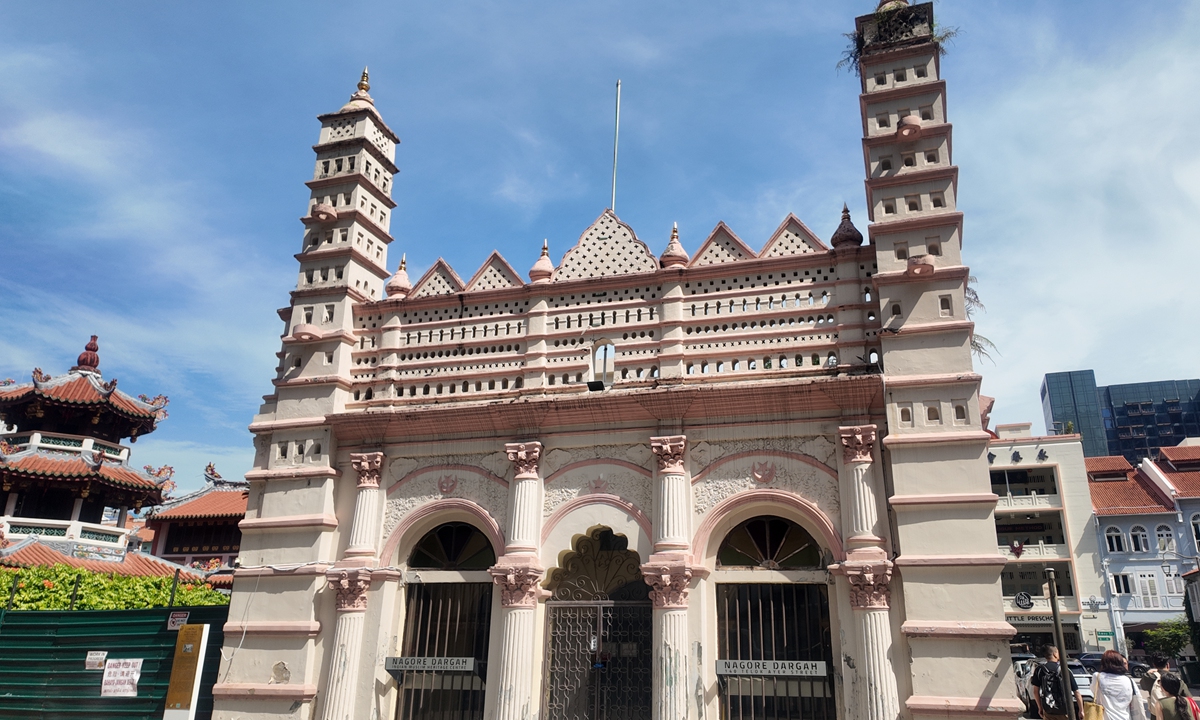
Walking through Telok Ayer, Little India, and Kampong Glam, one experiences the reality of a society molded by Chinese, Malay, Indian, and global migrant communities. Temples, mosques, and churches stand close to each other. Thian Hock Keng, Al-Abrar Mosque, Nagore Dargah, and Christian churches coexist as part of a long-standing arrangement of pluralism.
This is not passive coexistence but a carefully cultivated social order shaped by decades of governance and policy design.
In 1991, Singapore's Parliament issued the Shared Values White Paper, outlining five core principles: Nation before community and society above self; Family as the basic unit of society; Regard and community support for the individual; Consensus instead of contention; Racial and religious harmony. In a young nation without a single dominant ethnicity, religion, or shared historical tradition, this value system serves as an ideological anchor that transcends differences.
At the Harmony in Diversity Gallery, key concepts like "mutual respect," "mutual understanding," and "finding common ground" are consistently highlighted. From "Many Faiths, One People" to "We, the Citizens of Singapore," the narrative repeatedly circles back to a central idea: Differences may persist, but a shared community must be maintained.
This idea of collective identity takes on another dimension at the SingapoREN exhibition at the Singapore Chinese Cultural Centre. Rather than focusing solely on preserving Chinese cultural heritage, the exhibition follows the transformation of migrants from temporary residents to citizens - from those who once saw themselves as transient to those who now fully identify as Singaporeans. It's not just a story of cultural preservation but one of identity transformation.
Perhaps the most tangible mechanism sustaining this multicultural cohesion is Singapore's public housing system, planned and developed by the Housing & Development Board (HDB). The apartments built by HDB are home to close to 80 percent of Singapore's resident population, of whom about 90 percent own their home. To promote racial integration and harmony, HDB introduced the Ethnic Integration Policy in 1989, which sets limits on the proportion of households from each ethnic group in housing blocks and neighborhoods to ensure a balanced mix of various ethnic communities in HDB towns.
Across HDB towns, public housing projects continue to evolve in response to demographic shifts and the rising aspirations of residents.
For example, Harmony Village @ Bukit Batok is an assisted living resident community jointly developed by HDB, Singapore's Ministry of National Development and Ministry of Health to expand the continuum of public housing options for seniors. Known as community care apartments, Harmony Village @ Bukit Batok is Singapore's first public housing development that integrates senior-friendly housing with care services that can be scaled according to care needs, as well as social activities to support seniors to live independently within the community.
Meanwhile, Punggol Point Cove is a public housing project situated along the shoreline of Singapore's north-eastern coastline. This waterfront development features wave-like architecture inspired by its location and the town of Punggol's heritage as a fishing village. Residents enjoy panoramic sea views and easy access to Punggol Promenade. It is also located near the Punggol Digital District, Singapore's first smart business district, where residents can benefit from job opportunities and new amenities near their home. Hawker centers further embody multiculturalism in everyday life. Dietary restrictions shaped by religion are managed through regulated food environments, allowing people of different ethnicities and income levels to share the same dining spaces. Whether it's Hainanese chicken rice, Indian roti prata, Malay nasi lemak, or Teochew fish ball noodles, cultural diversity is transformed from an abstract concept into daily practice.
Through shared space, shared consumption, and shared routines, Singaporeans, despite their varied ancestries, languages, and beliefs, become woven into a single social fabric. It is within this daily negotiation of differences that a true sense of national community emerges.
The future is already here: from planning to execution
At Gardens by the Bay, many visitors see a picturesque landmark. For Singapore, however, it is a model for future urbanism. Built on reclaimed land, the Gardens showcase how ecological design and engineering innovation can create a functioning ecosystem within an urban environment to support diverse flora and fauna. It reflects a belief that even within environmental constraints, human design can create new ecological possibilities.
If Gardens by the Bay represents the future of human-nature relationships, the Punggol Digital District embodies Singapore's vision for the future economy and society. As the country's first integrated smart district, it brings together industries of cybersecurity, artificial intelligence, and robotics within a unified urban space. The Singapore Institute of Technology is directly embedded within the district, ensuring that research outcomes translate into real-world urban solutions rather than remaining confined to academic publication.
The district's Open Digital Platform (ODP) aggregates data from more than 20,000 sensors in the district and connects various systems in real time, enabling deep integration among data systems, algorithms, and physical urban space.
This forward-thinking approach extends to national digital governance. In 2026, Singapore set out 10 refreshed priorities for the next round of AI development, including boosting AI transformation across strategic sectors, and nurturing 100,000 AI bilingual talents with domain expertise and AI capabilities who can apply AI meaningfully in their domains.
At the same time, the country actively tackles emerging risks such as deepfakes and cyberbullying, through a mix of legislation, platform accountability, digital literacy education, and community coordination.
From the existential survival concerns of its early years of independence to contemporary challenges like AI disruption and climate change, Singapore consistently demonstrates a strong focus on the future. It anticipates risks early, designs policies preemptively, and seeks solutions before crises fully emerge.
Looking back on this journey, the question I began with now has a different answer.
Singapore is more than an economic success story or a model of efficient governance. It is a nation born of political choice, held together by institutions that cultivate inclusion across diversity, and sustained by a continual capacity to adapt and reinvent itself.
Perhaps this is what we mean when we talk about Singapore.
The author is a PhD candidate in International Communication, and research fellow at the Academy of International and Regional Communication Studies, Communication University of China
。该镇通过完善配套、丰富活动,推动“看山水”向深度度假转型,以绿水青山赋能乡村振兴。

B | 东南网8月21日报道(福建日报记者 王玥明 通讯员 李霖昊 赵挺)15日,光泽县寨里镇桃林村玲珑溪水上嘉年华正式开园。午后阳光正烈,但溪边的漫游道上已经挤满了人。 皮划艇和脚踏船在溪面上歪歪斜斜地穿行,船桨一划,水花溅到岸边,惹来一阵惊叫;浅滩处,孩子们蹲在水里舀水、泼水,浑身湿透也不肯上来。风从溪谷深处吹过来,带着水汽和草木的气息。

C | 岸边的乡村市集,蜂蜜、笋干等农家土货一溜摆开,引来不少游客驻足挑选…… 很难想象,这片热闹的溪岸,曾经是村里人绕道走的荒地。“以前这里就是烂泥滩,散落着一些破牛棚,杂草长得比人还高,下雨天一脚泥,我们本村人都很少来。

D | ”桃林村村民黄勇回忆,玲珑溪的山水禀赋得天独厚,可长期以来道路不通、配套跟不上,好生态白白“睡”了好多年。 变化始于环武夷山国家公园保护发展带总体规划的推进。寨里镇没有大拆大建,而是以玲珑溪原生态溪谷为核心轴线,修步道、固岸线、清淤疏浚,再把百石露营基地、大洲谈判旧址、玲珑蜂谷这些散落的文旅资源逐一串联,构建一条涵盖生态观光、亲水游乐、红色研学、户外露营等业态的文旅动线。 开园当天,人气比村民们预想的还要旺。据统计,15日至16日累计接待游客逾1300人次,以闽赣两省家庭亲子出游为主。 “听同事说这里的山水原汁原味,我们特意赶过来,吹山风、逛市集,比城里的游乐园舒服多了。

E | ”专程从邵武赶来的游客李奕翎说,大半天玩下来意犹未尽。 平时,玲珑蜂谷既是养蜂场,也是农文旅体验站。不远处,大洲谈判旧址今年上半年累计承办研学活动48场、接待1700多人次。

F | 百石露营基地周末常常一“地”难求,累计露营人数突破6000人次。从半日打卡到两日度假,寨里镇正在跳出“看山水”的传统路径。 寨里镇人大主席黄建寿表示,下一步将持续完善玲珑溪沿线配套设施,推出更丰富的文旅主题活动,让绿水青山持续赋能乡村振兴,惠及更多沿线村民。
Current article:http://dimyl.ruwentaqintiaozhupapaigai.shop/bdkv/ahe8f3.html
Published on:02:34:55
我的网站最近更新
- 秋即逝 冬将至 安全生产严格把关
- 绥中县加碑岩乡:10月上旬村民将喝上“放心水”
- 西湖区益乐新村十几位村民为300位工人腾出20多间浴室
- 中国工信部:北斗在重点行业和大众应用场景加速拓展,中国工信部:北斗在重点行业和大众应用场景加速拓展
- 【循足迹看变化】曹妃甸港区:逐梦深蓝 建设绿色智慧大港
- China opposes generalization of national security concept to suppress educational co-op: FM says on Australia’s university pact ending push
- 强台风“沙德尔”逼近浙闽沿海 福州各部门迅速响应积极应对
- 重庆动物园通报保育员被熊猫扑倒:保育员和两只熊猫均平安
- 香迷糊了!中省直媒体聚焦,抚顺麻辣拌出圈!
- “真假花生”背后,藏着具身智能的最后一块拼图
- 小威:我已进入“退役倒计时”
- “宝藏主理人”玩转方寸站点 用巧思焕新购彩体验
- “油菜花田”播种忙
- प्रेम प्रसंग से खफा हो युवती के प्रेमी की हत्या करने वाला भाई और दो मामे गिरफ्तार, पिंजौर में दबाया था शव
- 14 Years of The Dirty Picture: What Makes The Vidya Balan Starrer Special Even Today
- China, India to hold 25th round of talks between special representatives on boundary question in Beijing
- 小柿子满架 种植户开心
- 红河州福彩市场销售员技能提升培训圆满举行
- 丽水市举办福彩公益金资助项目开放日活动
- Oppo Yuelong 855新款Geekbench跑步曝光:代码“波塞冬”
- 前国乒选手报警,回应录音争议:不是说王楚钦
- 未开封的初代iPhone落锤成交 最终拍出约合26万元
- 【致美樟中】家校携手共育,守护孩子成长——我校开展家长学校课堂活动
- 2026全国高尔夫球混合团体锦标赛全体大会在津召开
我的网站热门资讯
- 微视频丨石家庄五大产业,到底有多大?
- China's commercial freight volume hits 4.9 billion metric tons in July
- 伊朗官员放狠话:若美打经济战,霍尔木兹海峡和波斯湾将再无石油出口;美军称对伊朗海上封锁以来已拦截75艘商船
- 一觉醒来,加拿大政府垮了
- हरियाणा की महिलाओं के लिए खुशखबरी! नायब सरकार हर महीने देगी 2100 रुपये; जानिए कब से मिलेगा योजना का लाभ
- 女子称一个月光洗澡燃气费130多元 燃气公司回应多种因素
- 怎么找擅长套利策略的期货客户经理?
- 2026海外服务器选购指南:站长必看的五个核心指标
- 卢浮宫大劫案之外的另一场神秘盗窃案
- 应急管理部调派13支排涝队伍在河南周口开展排涝作业
- 【研报观点】8月26日不锈钢最新观点汇总
- 不是第二个能杀死威信的“威信”。
- 消息称三星联合康宁研发自修复玻璃,Galaxy S27 Ultra 手机有望搭载
- 阿里折价配售800亿港元股价大跌超8% 市场在担忧什么?
- 石家庄市防汛抗旱指挥部启动防汛四级应急响应
- 明起大转折!杭州强降雨进入尾声 部分地区仍需注意
- Trust in US Media Undermined by Proliferation of Partisan Outlets & Bias Claims, Experts Say
- 义顺惊险一幕 男子从组屋高楼摔落
- 到2030年浙江水路客运量将突破6100万人次
- 短时暴雨和7~9级雷雨大风!杭州发布橙色预警!雨水这天开始减弱
- 黄金面临重要阻力,杰克逊霍尔会议或将成为关键指引
- Sadar Hospital में बड़ी लापरवाही का मामला आया सामने, थैलेसीमिया बच्चा Blood चढ़ाने के बाद हो गया एचआइवी संक्रमित, कोर्ट ने लिया संज्ञान
- 《黑神话:钟馗》最新发现:大蚌真君疑似厨娘帮手!收入麾下?
- 「えっ」「すっぴん?」 41歳・松本若菜、美肌アップにネット騒然「美人すぎる」「か、かわいい!!」