2,200-year-old leaf-wrapped grain bundles found in Chinese tomb may be ancient precursor to ‘zongzi’_我的网站
A |
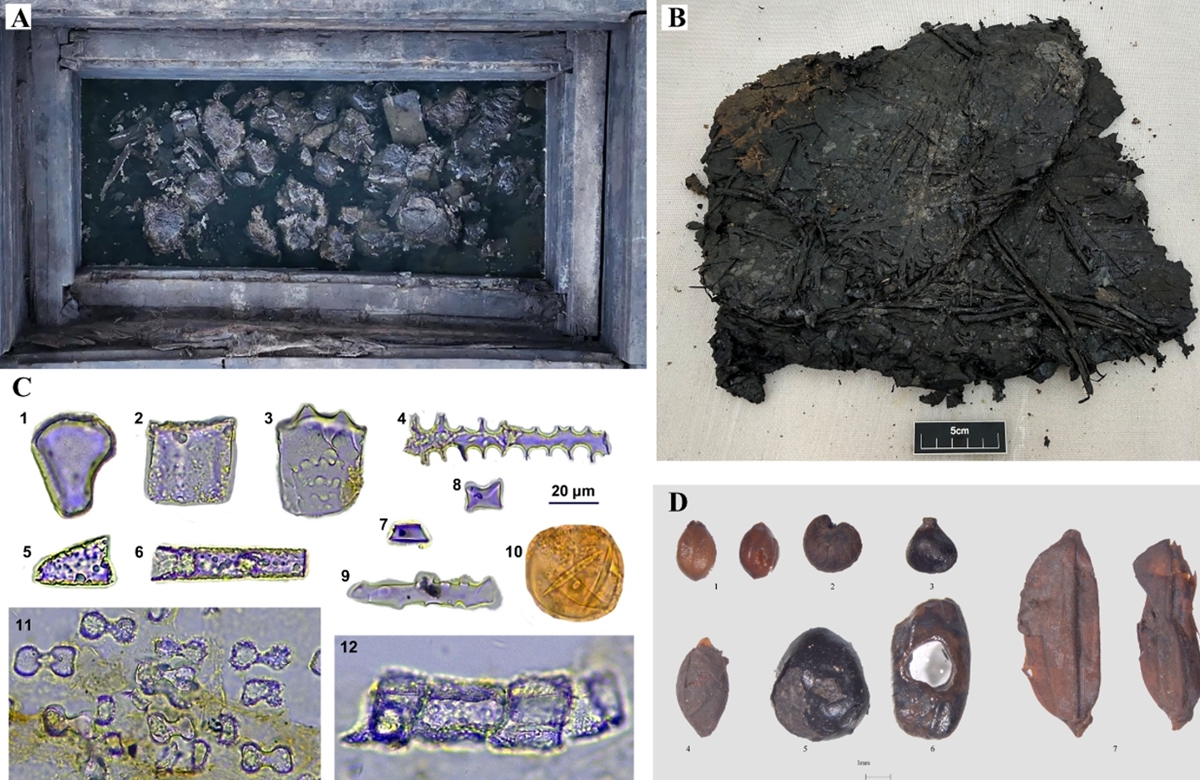
Photo: Courtesy of the Institute of Vertebrate Paleontology and PaleoanthropologyArchaeologists have unearthed a collection of plant-wrapped bundles dating back about 2,200 years that closely resemble modern-day zongzi, the glutinous rice dumplings traditionally eaten during China's Dragon Boat Festival, according to a report by the Institute of Vertebrate Paleontology and Paleoanthropology (IVPP) under the Chinese Academy of Sciences (CAS). This study was published in the National Science Review. In March 2024, archaeologists from the National Center for Archaeology excavated a large number of well-preserved, waterlogged plant bundles from the tomb's outer coffin chamber. On-site, the plant bundles could be seen tightly wrapped in broad leaves and tied with plant-fiber cords. A team of researchers led by the National Center for Archaeology, IVPP, and the Chinese Academy of Social Sciences examined 12 of the bundles and found that the wrapping leaves came from oak trees, while the cords were made from grasses. The bundles mainly contained rice, broomcorn millet, foxtail millet, and cereal seeds, most of which were still in their husks and mixed with inflorescence material. Small amounts of peppercorn, mallow and rice-field weed seeds were also found. The fact that the bundles were found in a tomb and mainly contained grains still in their husks suggests they were not everyday food, but offerings intended for funerary rituals. "This might reflect a Warring States-era belief that grains served as wealth for the dead in the underworld," Ge Yong, an associate researcher at the IVPP and the study's corresponding author, told the Global Times. A Qin Dynasty (221BC-206BC) text describes a belief that "soybeans were gold and millet was money" for the dead, indicating that grains held symbolic significance in funerary culture. "The bundles therefore appear to have been ritual offerings prepared for the deceased," Ge said, "not food for the living." The physical structure of the bundles also resembles that of zongzi, with grains wrapped in leaves and tightly secured with plant-fiber cords. "Similar practices of wrapping grains for burial have also been found elsewhere within the Chu cultural sphere," Ge said, "such as at the Chengyangcheng Site." At the Chengyangcheng archaeological site in Henan Province, rice and broomcorn millet were also discovered wrapped in oak leaves. "An interesting fact is that we can still find zongzi wrapped with the same oak leaves now in regions related to the Chu cultural sphere." "The findings suggest that wrapping grains as funerary offerings was a relatively common practice in the Chu state during the Warring States period," Ge said. "And this practice may have been an early form of the zongzi later associated with the legend of Qu Yuan." These plant bundles share a structure similar to that of modern zongzi and to those described in legends and folklore. This might reflect how, through cultural exchange and heritage, these 2,200-year-old plant bundles likely evolved over centuries, shifting from sacrificial offerings to food, said Ge. As diverse regional populations adapted the practice, it eventually transformed into the well-known Dragon Boat Festival tradition of eating zongzi. Thus, this structural resemblance might suggest a potential historical lineage; however, experts stressed that the Wuwangdun bundles should not simply be labelled as ancient zongzi. "We can't define these plant bundles as the earliest zongzi, but rather, we can confirm that by 2,200 years ago at the latest, the Chu region had established a tradition of using this specific form of plant bundles for funeral rites. And this tradition could be a possible origin or precursor of the well-known zongzi," said Ge. He added that the discovery provides critical physical evidence to explore the origins of zongzi and its cultural heritage. 。
C | ——二手硬盘残留内部数据。某单位将内部硬盘简单清空后便当作废品变卖。这批硬盘经翻新流入市场后,被查出仍残留多家党政机关、高校的内部文件。
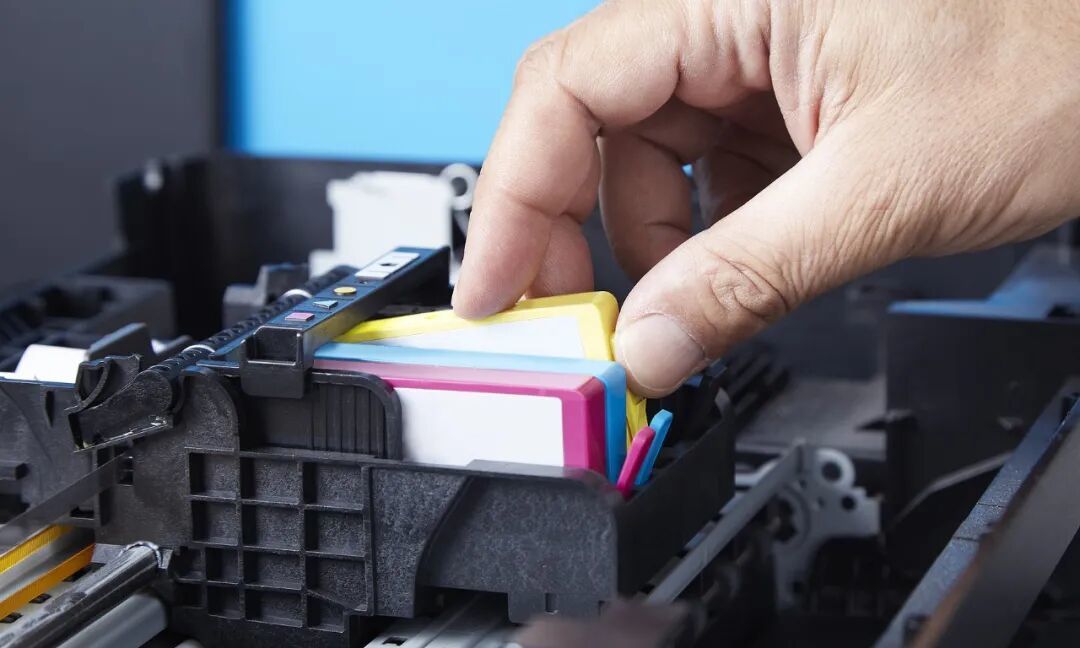
D | ——废旧硒鼓还原涉密文件。某单位将存有涉密信息的废旧打印机硒鼓交由供应商回收处理。相关人员通过技术手段还原硒鼓残留的打印内容,并将涉密信息售往境外。——废弃服务器沦为攻击跳板。某单位服务器被弃用后仍留存于信息化机房内,境外间谍情报机关通过网络扫描探测实施入侵,控制服务器后将其作为跳板实施网络窃密活动。
F | 对普通设备和存储过涉密敏感信息的设备未进行分类管理,报废时混在一起,导致风险防控无法精准落实。
G | ——处置不规范。“删除即销毁、格式化即清零”仍是个别涉密岗位工作人员的认知误区。从未经专业处理的硬盘转卖,到复印机内置硬盘被忽视,再到打印机硒鼓随意丢弃,甚至废旧文件柜夹层、办公桌抽屉遗留涉密文件,这些不规范的操作均可能引发失泄密事件。——监管不到位。前期采购、领用、流转层层把关,但报废阶段却易出现标准降低、审核缺位等问题。
H | 单人操作、无台账记录、无保密审批等现象,使得监管制度流于形式。资产台账注销后,保密责任随之弱化,形成管理真空。